
Five Largest Football Stadiums in the World: Iconic Stadiums, Capacity, and Their Architecture
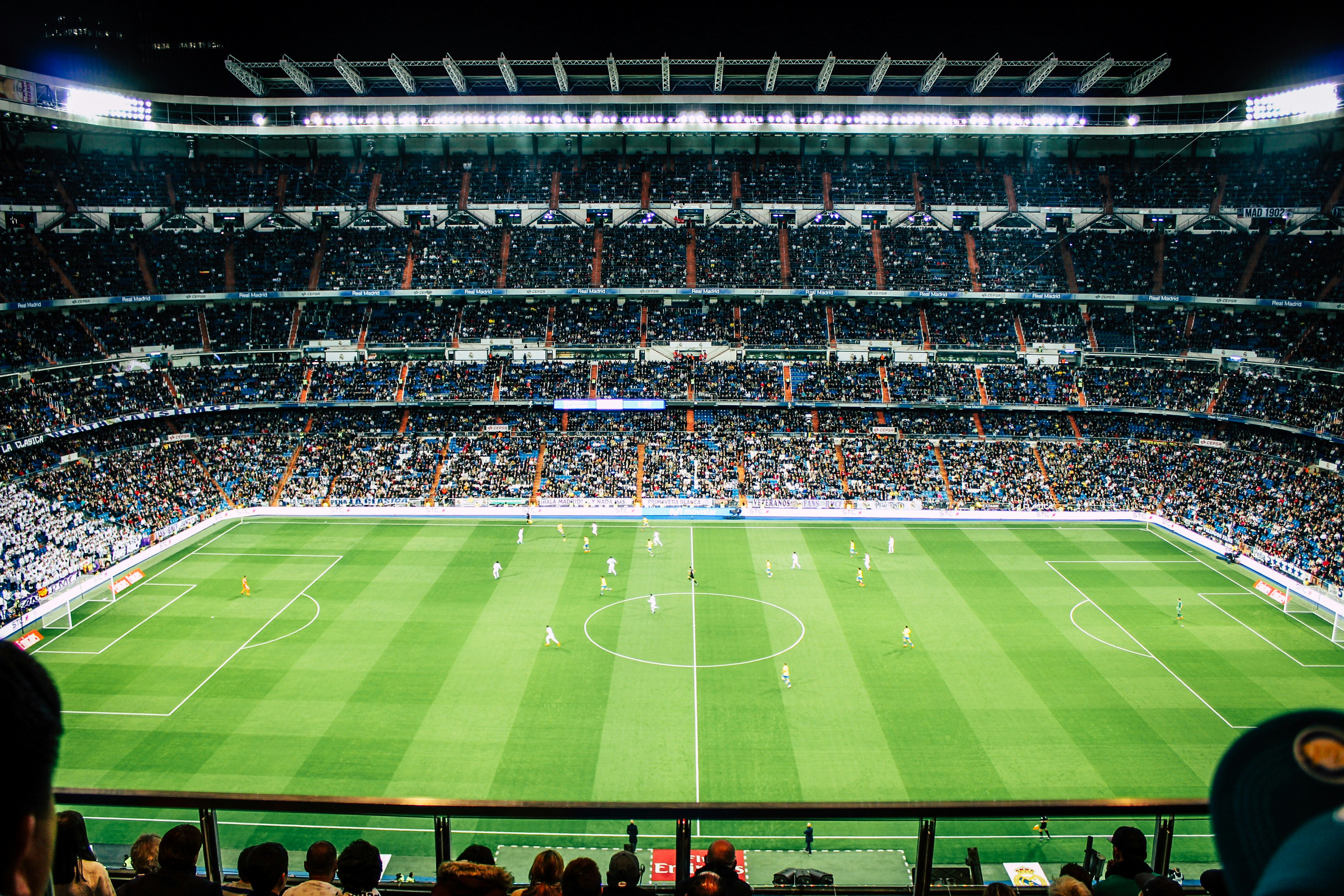
The topic of best football stadiums in the world cannot be discussed solely in the context of their capacity, because the most spectacular aspect of the stadiums lies in the way architecture emphasizes the game.
From roof shapes to facades — all aspects make the stadiums unique engineering masterpieces and architectural achievements. Below, we will discuss five of the largest football stadiums in the world.
What Makes a Stadium the Best Soccer Stadium in the World?
The title of best soccer stadium in the world cannot simply be conferred upon any stadium based on capacity alone; design is also very important. From acoustics and good views of the pitch to unique architecture, everything counts when we talk about a really great stadium.
Football Stadium Architecture: Form Meets Function
In Modern times, football stadium architecture has moved from simple bowls towards complex multi-tier structures. Modularity, sustainable materials and technologies are becoming key design principles — think, for example, about retractable roofs, modular stands, or energy-efficient envelopes.
Key Architectural Elements Include:
Structural system: Steel trusses, cable net structure, or concrete shell.
Facade: Perforated metal, ETFE cushions, cladding.
Roofing systems: Partial or complete roofing which regulates acoustics and weather conditions without blocking view.
Sports Infrastructures: Engineering on Massive Scale
Behind every massive stadium lies a whole complex of architectural elements. In addition to such common elements as spectator areas and pitch itself, it can also include VIP zones, media centers, transport links, crowd management system and others organized through spatial planning.
In Cooperation with Architects, Engineers Make Sure That There Are:
Efficient evacuation plans.
Integration with public transportation and parking facilities.
Ability to conduct not only football games, but also concerts, ceremonies and others.
Largest Football Stadiums in the World: Top 5 by Size & Architecture
Rank | Stadium | Location | Capacity | Architectural Features |
1. | Camp Nou | Barcelona, Spain | 99,354 (105,000 after renovation) | Open bowl design, tiered concrete structures, recognizable “Forca Barça” atmosphere; under reconstruction with new skin and roof |
2. | FNB Stadium (Soccer City) | Johannesburg, South Africa | 94,736 | Calabash-inspired form, golden colored façade, hosted World Cup Final 2010; symbolic shape of African pot with 21st century engineering |
3. | Misr Stadium | New Administrative Capital, Egypt | 93,940 | Africa’s most advanced mega stadium; characterized by extensive canopy roof, geometric façade and sustainable systems. |
4. | Wembley Stadium | London, England | 90,000 | Arch (133m height), roof over stands which can be retracted, bowl designed for acoustics and views — masterpiece of modern engineering in the UK |
5. | Estadio Azteca | Mexico City, Mexico | 87,523 | Open-air concrete bowl, volcanic stone cladding, only stadium hosting two World Cups; monumentality and power in high altitude location. |
Note: Though larger venues such as Rungardo Stadium in North Korea or Narendra Modi Stadium in India have greater seating capacity, they are either multi-purpose venues or aren’t primarily designed for football — hence are not listed in this list dedicated to football stadiums.
Famous Football Stadiums Around the World: Architectural Monuments
These famous football stadiums around the world are more than just stadiums; they are national symbols. They express the nation's pride, historical moments, or innovative approach to engineering.
Camp Nou
Camp Nou is a representation of Catalan identity in terms of huge size and fan-centric layout.
FNB Stadium
FNB Stadium combines African tradition with engineering of the 21st century.
Wembley Stadium
The Iconic Wembley Stadium features an arch which has become part of the London cityscape.
Estadio Azteca
The brutalist design of the Azteca Stadium reflects the spirit and passion of Mexican football.
Best World Cup Stadiums: Where Tradition and Architecture Merge
The majority of the world cup stadiums have also achieved remarkable architectural reputation. FIFA World Cups have always been sources of innovations in designing stadium architecture, which was improved in terms of capacity, comfort, and appearance.
Lusail Stadium (Qatar, 2022)
Bowl-shaped stadium with golden facade resembling lanterns; hosted the final; 88,966 seat capacity.
Maracanã (Rio,1950/2014)
Classic open bowl with recent upgrades, including lightweight roof and improvements of various facilities.
Azteca (Mexico, 1970/2014)
Monumental building made of raw concrete; has been functioning without changes throughout many years.
These examples show that legacy of the World Cup is not only about the tournament but also about architectural landmarks.
From contemplating Wembley Stadium arch to walking beneath the volcano rock of Azteca to imagining noise in recently renovated bowl of Camp Now — these stadiums remind that football arenas are as much about steel and concrete as about passion and legacy.
FAQs
1. What can be defined as the best football stadiums from an architectural point of view?
Architectural features of the best stadiums include such elements as good sightline, acoustical conditions, and expressiveness of structure. At the same time, the structure has to enhance both showiness and security and correspond to local cultural peculiarities.
2. Are the biggest football stadiums of the world the best designed stadiums?
Size is not the factor defining the quality of architectural design. The best stadium should be designed considering the needs of spectators in the first place and not just the number of seats.
3. What is the influence of stadium design on the atmosphere inside the stadium?
In general, design defines the sound retention, visual intimacy, and emotions. Steep stands, partial roof and enclosed bowl enhance the atmosphere by creating intimidating environment for visiting teams.
4. Which of the world-famous stadiums have the most unique facade?
Calabash - like facade of FNB Stadium, lantern-inspired design of Lusail and inflatable panel structure of Allianz Arena are the examples of unique architecture that becomes recognizable regardless of presence of game in progress.
5. What is the significance of sports infrastructure in modern stadium design?
Infrastructure apart from the pitch consists of transport, evacuation routes, media zones and multi-functioning capabilities. Great stadiums should serve as hubs rather than venues, blending seamlessly with urban environment.
6. Why are some world cup stadiums not utilized for major football anymore?
After the World Cup, some stadiums turn out to be economically unfeasible because of excessive sizes or inconvenient location. However, some stadiums may be used for concerts or events other than football while still keeping architectural value.
7. Can a stadium be called great architecture even if it is not one of the biggest ones?
Of course! Stadiums such as Signal Iduna Park (Dortmund) and Anfield (Liverpool) are cherished for their aura and fan closeness more than for their enormous sizes.